What makes a good experimental film?
The term experimental is extremely broad and vague, and most of the time is up to the viewer to decide weather it is really experimental or not. When googling the term ‘experimental’ it defines it as: “(of art or an artistic technique) involving a radically new and innovative style.” but you could show a viewer a video and they could be used to watching and maybe even creating experimental films and someone else may not be involved with the genre at all and could think its weird. If we are going by the definition of experimental that google gives then theoretically anything which is a new and innovative style should be an experimental film.
There are other definitions of what an experimental film is, here’s another: An experimental film is any film that experiments with some aspect of the filmmaking process — e.g., editing of visuals and/or audio, filming techniques, and even the mode of presentation (Film Spectrum Features, 2014). Both definitions are very similar, however the second one goes more in-depth into what an experimental film comprises of. Although the best and most specific meaning of what an experimental film commonly has is from Wikipedia: “While “experimental” covers a wide range of practice, an experimental film is often characterized by the absence of linear narrative, the use of various abstracting techniques—out-of-focus, painting or scratching on film, rapid editing—the use of asynchronous (non-diegetic) sound or even the absence of any sound track. The goal is often to place the viewer in a more active and more thoughtful relationship to the film. At least through the 1960s, and to some extent after, many experimental films took an oppositional stance toward mainstream culture.” (Wikipedia, no date).
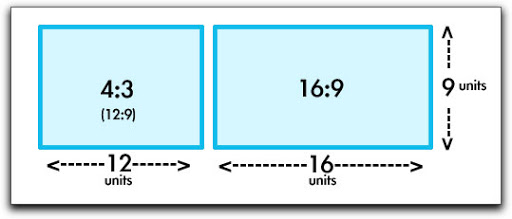
Firstly, most experimental films aren’t filmed how a normal film is today. You’ve probably heard the terms 1080p and 4k float around, these are both different resolutions that most common cameras film in today. These resolutions are a 16:9 aspect ratio (widescreen), this means that for every unit you go upwards (9) you will go 16 horizontally, this is also the same for vertical videos its just reversed, or turned 90 degrees depending on how you look at it. Most experimental films aren’t filmed like this, or aren’t presented in this way, and I think this is done to try and show the old and retro aesthetic, so you may see an experimental film recorded and presented in a 4:3 aspect ratio, this gives a retro look because it used to be the most common ratio before 16:9 was introduced, this is the same with how computer monitors used to have a square ish shape, in post-production you can change and crop in your video to achieve a different aspect ratio.
If you wanted to take this even further you could record your film on an old device, and you might want to do this because instead of having to colour your footage afterwards to make it look like it was shot on an old camcorder because it will already look that way, a disadvantage to doing it this way is that most old camcorders record to tape, which means you will have to find a way of converting this to a video format before editing it. This ties in nicely with the last sentence of the Wikipedia definition which says that ‘many experimental films took an oppositional stance toward mainstream culture.’
Below are a list of things you should consider when creating an experimental film, some are things that have been used in other popular experimental films and others are just general characteristics that the genre holds.
- Lack of a linear narrative, most experimental films seem very unstructured an don’t seem to have a focus or storyline
- Out of focus, shots that aren’t focused on a specific person or object and therefore are just blurry without meaning
- Painting or scratching on film, the video seeming like it is being painted on, this could be a transition or just over a clip
- Fast/rapid editing, fast cuts between clips the clips could even me made short themselves
- Non-diegetic sound or lack of soundtrack, this could mean the soundtrack has nothing to do with the film whatsoever or there being no soundtrack
- Old electronics, the use of old electronics as objects within the film, like an old telephone or old TV
- 4:3 aspect ratio, and older style of aspect ratio which can make the video of film seem older and more interesting
- Grainy film, a filmmaker might make their film grainy because it makes the viewer question what is happening within the scene
- Lower than standard frame rate, by setting the frame rate lower than what is the ‘standard’ it could make your film seem experimental
- Lack of people, a common factor of experimental videos is not having people in it, or not using them as the main subject.
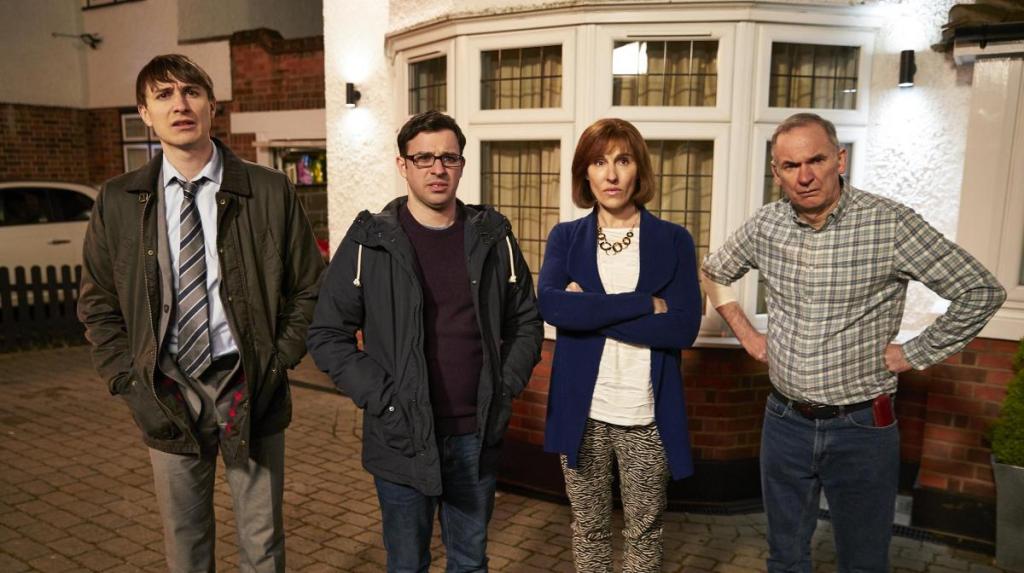
There is a popular show on Channel 4 called Friday Night Dinner, and in some respects, this may be classed as experimental. “Adam and Jonny Goodman, two siblings belonging to an eccentric family, join their parents for a peaceful dinner every Friday night. However, despite great care, things always turn chaotic.” (Google, no date). This was an idea that hadn’t been tried before on TV so in that way it could be classed as experimental, however if we are going by Wikipedia’s term of experimental it wouldn’t be because it doesn’t fit any of the specific characteristics. Personally, I would say that Friday Night Dinner is not experimental although the concept for the show is experimental it doesn’t fit an experimental structure.
Steve McQueen
Steve McQueen is a filmmaker born in 1969 who has won countless awards for his work and he also has close links to the experimental genre, on Wikipedia it shows his different styles as: neo-noir, experimental and social realism. He was studying at Goldsmiths (University of London) and then very briefly at Tisch School of the Arts in the US, where afterwards he said that the approach at both of them was too stifling (constrained) and insufficiently experimental and this could have been what spurred his passion for the style of filmmaking. (Wikipedia, no date). An experimental film he made once was called ‘Blues Before Sunrise’ where he (and supposedly a team) changed all the bulbs in a park in one of Amsterdam’s most well-known green spaces and replaced them with blue bulbs. This was not only an experimental idea because of the different reactions he got to the idea but also, he managed to achieve an experimental video as an outcome of the concept. The video captures passer-by’s opinions on the new lighting with one saying, “They are just plain old lampposts… but suddenly they become very attractive.” (ARTtube, 2018). While another saying, “Let that Steve McQueen do this in his own backyard, in New York or something.” (ARTtube, 2018). McQueen is also well known for a moving art piece that is called ‘Ashes’, where “One side, originally shot on soft, grainy Super 8 film, shows a young, carefree fisherman named Ashes balancing playfully on a pitching boat against a horizon of blue sky and water. The other side shows a second projection, shot in 16mm film, that chronicles Ashes’s unexpected fate.” (ICA Boston, 2018). This fits what I said earlier about how experimental pieces are usually recorded on old formats.
Experiments in filmmaking
I recently watched a film called ‘Deepwater Horizon’ which was a film released in 2016 which showcases the lives of oil rig workers and the catastrophe that an oil rig named ‘Deepwater Horizon’ went through where there was an explosion of mud when too much pressure built up underneath the rig. When creating the film they tried to keep it as factual as they possibly could, so they had people that where there in the actual explosion on set so that if they said something wasn’t quite right, the producers would change this factor. What was experimental about this film is that we see this massive oil rig that is supposedly far out at sea, when really this isn’t the case whatsoever, as mentioned before the producers and directors wanted the film to be as close to the truth as possible, so they instead built a replica to an 85 percent scale in a parking lot in Los Angeles, the director Peter Berg said: “I’m pretty sure it’s the biggest practical set ever built, really ever, in the history of filmmaking. It’s certainly one of them.” (digitaltrends, 2017).

Some of the way that the film was shot could also be considered experimental for example instead of filming some shots against a greenscreen where it would have been less dangerous but more work would have to be put in post-production, they decided to film certain shots as if they were actually real. In one of the final scenes the whole oil rig catches fire and the remaining two people (alive) must jump off to survive and when the final male jumps, they use a shot as if someone else was following him also jumping imminently after him. To do this they used harnesses and wires so that when they jumped off they could lower the worker and the cameraman at exactly the same speed to maintain the distance for the shot to work.
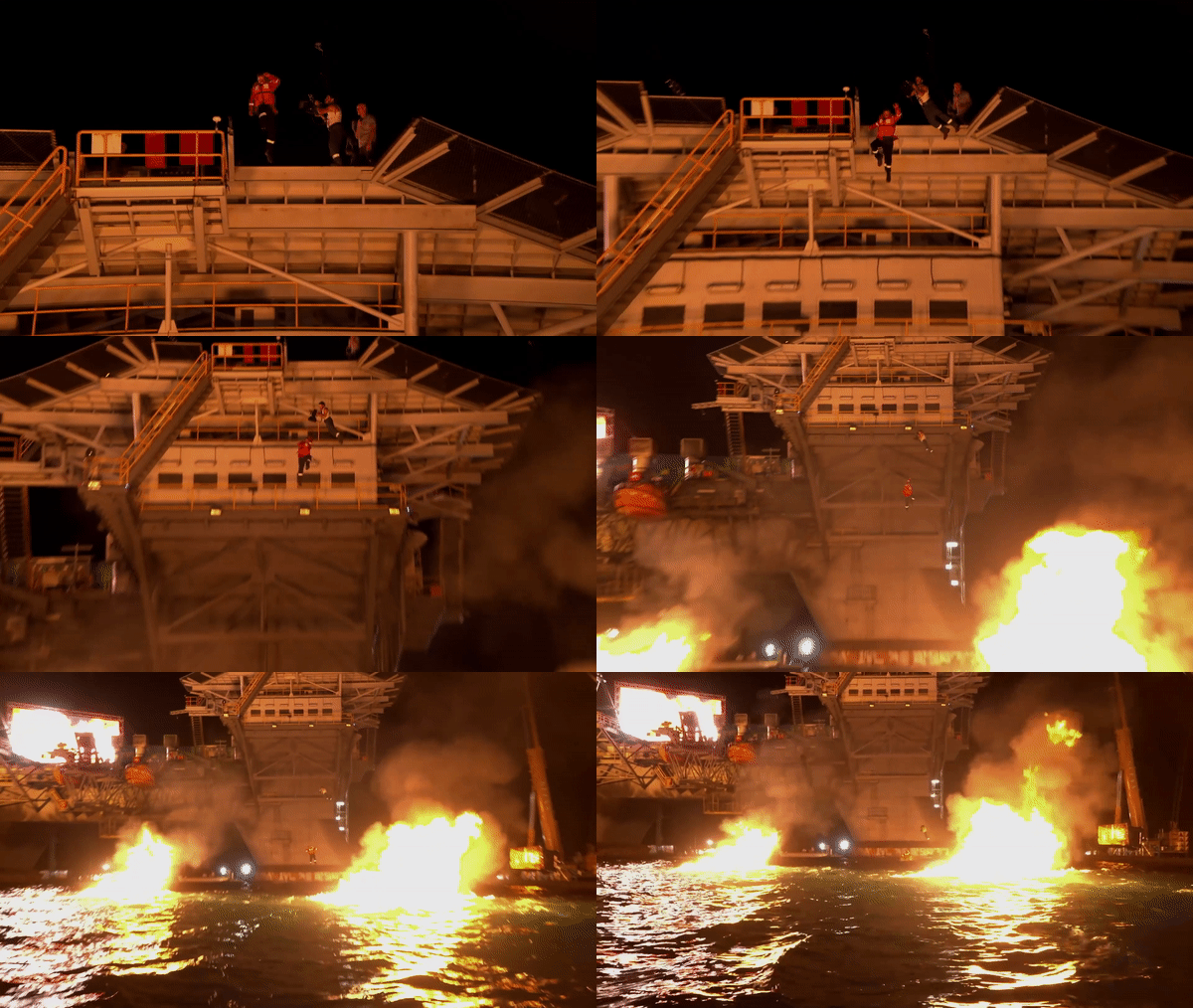
This shows how some films are still using alternative experimental techniques to try and get the most out of every shot and dangerous move the actors are asked to make. They could have instead of building a replica oil rig, used CGI (computer generated images) to add in the rig around the actors in post-production, however I think the reason they didn’t do this was because as mentioned before the wanted to have it as realistic, and have the actors really feel like they are on that oil rig.
In 2020 a film called ‘Bad Boys for Life’ was released and the DoP on the project was a man called Robrecht Heyvaert. “Robrecht’s name is no stranger to experimental cinematography, thanks to his work on the 2017 French action-thriller and gore fest Revenge and 2019 war-drama Torpedo.” (The Hindu, 2020). I think this clearly shows how producers and directors are trying to move the experimental format into mainstream and use it to their advantage. This doesn’t seem to be a one off and I think that these experimental cross overs will continue to happen and that if it is brought in gradually like these examples’ viewers will get more used to it being embedded within films.
Jean-Luc Godard
Jean-Luc is a French-swiss filmmaker and director who was known for being experimental, and it is argued he is “the most influential French filmmaker of the post-war era” (Wikipedia, no date). He was also part of the 1960s French New Wave film movement being one of the most prominent figures, the ‘French New Wave’ was all about experimenting with film and trying to move away from the specific conventions that everyone else was trapped up inside. They experimented with all different thinks that comes together to comprise a film: editing, visual style and narrative. One of the most memorable changes/experiments which was classed as ‘unprecedented’ at the time was a tracking shot that lasted around sixty seconds showcasing a traffic jam and the movement of cars. Although no one was used to a shot of this kind at the time it worked, and it became a very memorable part of the film because of it.
He also produced a film called Breathless (or À bout de souffle, 1960), which to this day is the film most recognised for being part of the ‘French New Wave’ because this film was made to distinctly express this new style of filmmaking, it showed many different techniques from the wave with the most noticeable being jump cuts, which seems simple today as they are used constantly throughout YouTube, however when this film was produced it was considered amateurish and ‘cheap’ but Godard wanted to bring them back as technically there is nothing wrong with them.
Also a technique called ‘eyeline match’ which is where you see a character look at something the camera can’t see and the following shot afterwards will be a shot of the subject the character is looking at Overall I think that at the time Jean-Luc Godard was a very influential character and he has changed how we create films today.
References
Film Spectrum Features (2014) What’s an Experimental Film?. Available at: https://www.fullspectrumfeatures.com/production-blog/2014/5/17/whats-an-experimental-film (Accessed: 11/01/21)
Wikipedia (no date) Experimental Film. Available at: https://en.wikipedia.org/wiki/Experimental_film (Accessed: 11/01/21)
Stone, K. (2006) Faking It : Making 4:3 footage work in 16:9 projects.. Available at: http://www.kenstone.net/fcp_homepage/faking_it.html (Accessed: 13/01/21)
Google (no date) Friday Night Dinner. Available at: https://www.google.com/search?q=friday+night+dinner&oq=friday+night+dinner&aqs=chrome..69i57j46i433j0l5.4128j0j1&sourceid=chrome&ie=UTF-8 (Accessed: 12/01/21)
Channel 4 (2019) Filming commences on Friday Night Dinner Series 6. Available at: https://www.channel4.com/press/news/filming-commences-friday-night-dinner-series-6 (Accessed: 13/01/21)
Wikipedia (no date) Steve McQueen (director). Available at: https://en.wikipedia.org/wiki/Steve_McQueen_(director) (Accessed: 12/01/21)
ARTtube (2018) Steve McQueen: Blues Before Sunrise. Available at: https://www.youtube.com/watch?v=iM8Ga4ri7gk&feature=emb_logo&ab_channel=ARTtube (Accessed: 12/01/21)
ICA Boston (2018) Steve McQueen: Ashes. Available at: https://www.icaboston.org/exhibitions/steve-mcqueen-ashes (Accessed: 12/11/2020)
digitaltrends (2017) How ILM built, and destroyed, one of the largest sets ever for ‘Deepwater Horizon’. Available at: https://www.digitaltrends.com/movies/oscar-effects-vfx-deepwater-horizon/ (Accessed: 13/01/21)
digitaltrends (2017) Deepwater horizon oscar effects vfx 2. Available at: https://icdn4.digitaltrends.com/image/digitaltrends/deepwater-horizon-oscar-effects-vfx-2-1200×675.jpg (Accessed: 13/01/21)
Hollywoodstreams (2016) ‘Deepwater Horizon’ Behind the Scenes. Available at: https://www.youtube.com/watch?v=fMOTYjueN4o&ab_channel=hollywoodstreams (Accessed: 13/01/21).
The Hindu (2020) ‘Bad Boys For Life’ cinematographer Robrecht Heyvaert : Will Smith and Martin Lawrence are experts in comedy and action. Available at: https://www.thehindu.com/entertainment/movies/interview-robrecht-heyvaert-cinematographer-bad-boys-for-life-sony-pictures-2020/article30710509.ece (Accessed: 13/01/21)
Wikipedia (no date) Jean-Luc Godard. Available at: https://en.wikipedia.org/wiki/Jean-Luc_Godard (Accessed: 13/01/21)
Wikipedia (no date) French New Wave. Available at: https://en.wikipedia.org/wiki/French_New_Wave (Accessed: 13/01/21)
Claire Wendlandt (2013) Jean- Luc Godard weekend car scene. Available at: https://www.youtube.com/watch?v=BySdtZWDCwI&feature=emb_logo&ab_channel=ClaireWendlandt (Accessed: 13/01/21)
Logan Fry (2015) “Breathless” – Fast Cuts / Jump Cuts. Available at: https://www.youtube.com/watch?v=_fcRj0SXYh8&feature=emb_logo&ab_channel=LoganFry (Accessed: 13/01/21)
 Bradley Smart
